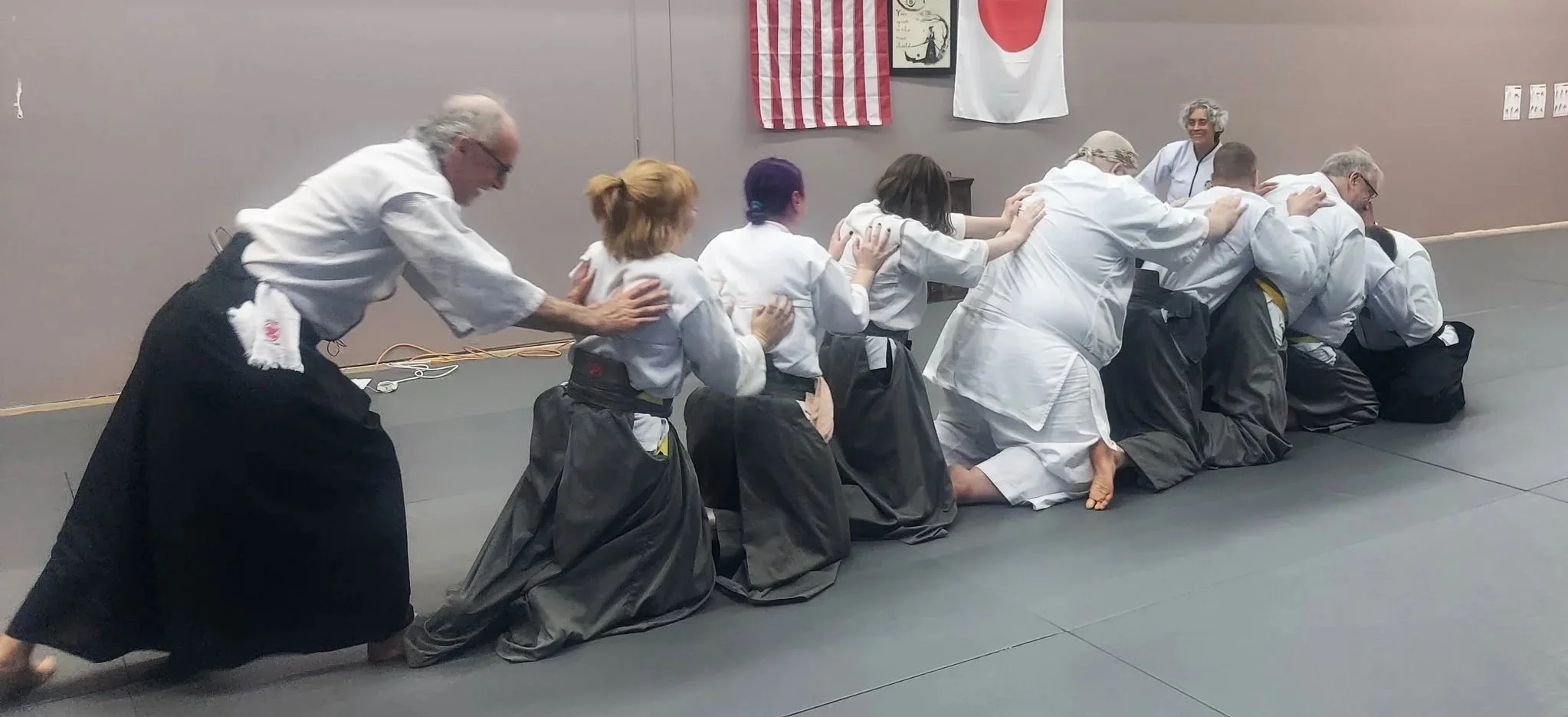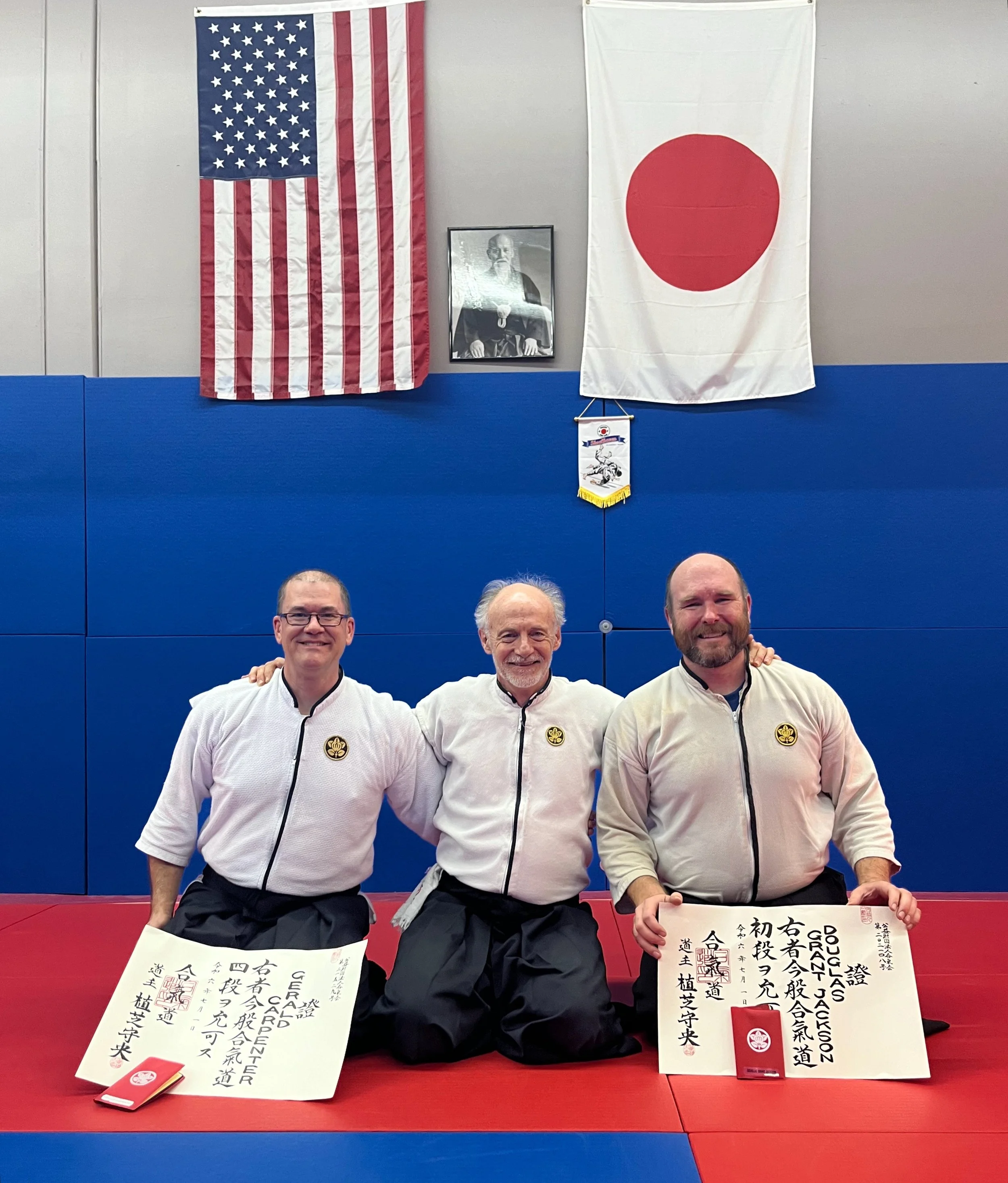
“Aikido is not a technique to fight with or defeat an enemy. It is the way to reconcile the world and make human beings one family.”
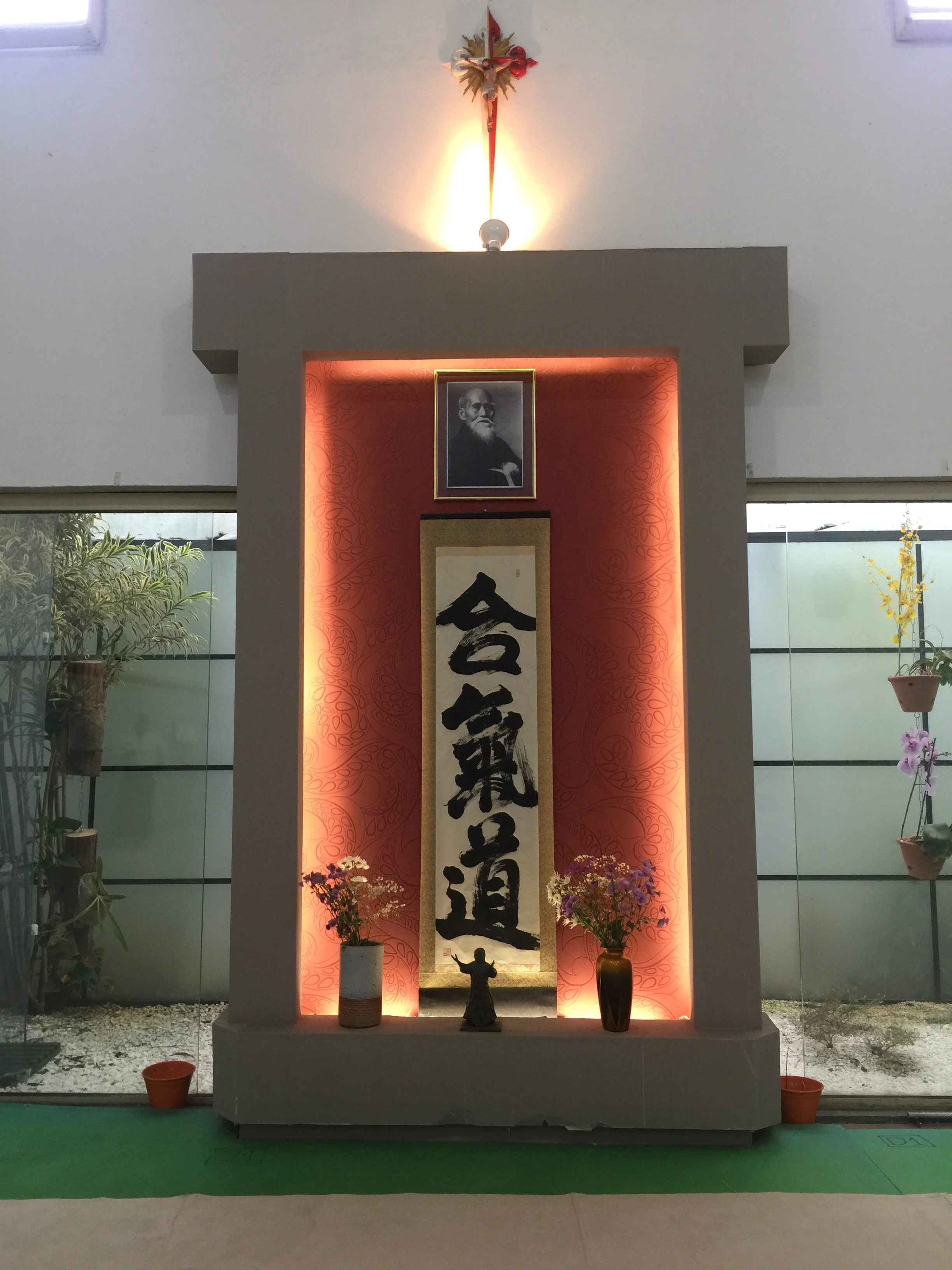
The History and Origins of Aikido
Aikido emerged in early 20th century Japan during a period of profound transformation, as the nation grappled with modernization, militarization, and eventually, the aftermath of World War II. Its founder, Morihei Ueshiba (1883-1969), was a master of several classical martial arts, including Daito-ryu Aiki-jujutsu under Sokaku Takeda, as well as various sword and spear traditions rooted in samurai combat. These battlefield arts, developed over centuries by Japan's warrior class, emphasized joint locks, throws, and techniques for disarming armed opponents. However, Ueshiba's vision extended far beyond mere fighting prowess.
Deeply influenced by his studies of Omoto-kyo, a spiritual movement with roots in Shinto, Japan's indigenous religion, he sought to transform martial technique into a path of harmony and spiritual development. The devastation of the war years profoundly affected Ueshiba, leading him to reject the martial ideal of dominating or destroying an opponent. Instead, he developed Aikido—literally "the way of harmonizing with energy"—as a martial art focused on blending with an attack, redirecting force, and resolving conflict without unnecessary harm. This fusion of ancient samurai technique, jujutsu principles, and Shinto-inspired philosophy created something unique: a martial way that trains the body and spirit equally, emphasizing protection of both self and attacker.
Today, Aikido of Salt Lake invites you to experience more than just self-defense. Here, Aikido is a journey toward harmony—teaching balance, fostering compassion, and encouraging personal growth. Whether you’re a beginner or looking to deepen your practice, our friendly community and skilled instructors support you every step of the way. Discover a martial art that builds strength from within and promotes peace in every aspect of life.
Join us at Aikido of Salt Lake and transform your practice into a way of living.
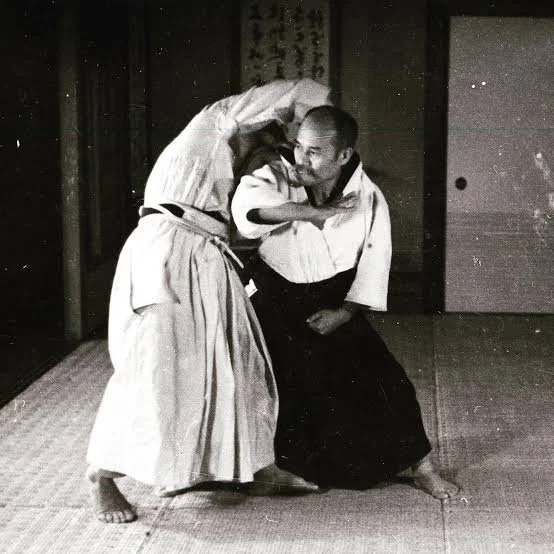
Morihei Ueshiba.
Morihei Ueshiba, affectionately known as O-Sensei ("Great Teacher"), was born in 1883 in Tanabe, a small coastal town in Wakayama Prefecture, Japan. As a young man, he was physically small and often sickly, which drove him to pursue martial arts with exceptional dedication. He studied various classical styles, excelled in jujutsu and swordsmanship, and eventually became a devoted student of the formidable Sokaku Takeda, master of Daito-ryu Aiki-jujutsu. Ueshiba was also a man of deep spiritual yearning. In 1919, he encountered Onisaburo Deguchi, the charismatic leader of the Omoto-kyo religious movement, and this meeting would transform his life. Through Omoto-kyo's teachings, which emphasized harmony with the divine and all creation, Ueshiba began to see martial arts not as a means of domination, but as a spiritual path.
The turning point came in 1925, when Ueshiba experienced a profound spiritual awakening. After a confrontation with a naval officer who challenged him to a sword duel—which Ueshiba won without striking a blow, simply evading every attack—he walked into his garden and felt what he described as a golden light descending from heaven, bathing him in warmth and clarity. In that moment, he understood that the true purpose of budo (the martial way) was not to defeat others, but to achieve harmony with the universe itself. "To injure an opponent is to injure yourself," he would later teach. "To control aggression without inflicting injury is the Art of Peace." This revelation became the philosophical foundation of Aikido, which he continued to develop and refine over the following decades, particularly after witnessing the horrors of World War II.
Following the war, Aikido began to spread beyond Japan's borders. Ueshiba sent several of his most talented students abroad as ambassadors of the art. Koichi Tohei brought Aikido to Hawaii and the United States in the 1950s, while other instructors established dojos in Europe, Australia, and beyond. The art's emphasis on non-violent conflict resolution and spiritual development resonated deeply in the post-war world, attracting students from diverse backgrounds—martial artists, peace activists, and spiritual seekers alike.
Today, Aikido is practiced in over 90 countries worldwide, with millions of practitioners carrying forward O-Sensei's vision of a martial art that cultivates not warriors, but peacemakers. Morihei Ueshiba passed away in 1969, but his legacy endures in every dojo where students bow onto the mat, seeking not to conquer others, but to harmonize with the universe and find the true warrior within themselves.
What Makes Aikido Unique
No Competition, Maximum Cooperation
We don’t have tournaments or sparring matches. Instead, we train cooperatively with partners, learning to blend with and redirect incoming energy rather than opposing it directly. This approach teaches lessons valuable both in physical encounters and in daily life conflicts.
The Art of Blending
Aikido techniques are based on circular movements that redirect an attacker’s force back upon them. This means that size and strength matter far less than timing, positioning, and understanding of natural movement principles. Our smallest students often demonstrate techniques effectively on much larger partners.
Weapons Training Enhances Empty-Hand Skills
Training with traditional weapons—the wooden sword (bokken), staff (jo), and knife—isn’t separate from empty-hand practice. These tools teach proper distancing, timing, and body mechanics that directly improve all Aikido techniques. Many of our movements derive from Japanese swordsmanship principles.
Mind-Body Integration
Aikido emphasizes the cultivation and direction of ki (life energy) through proper breathing, posture, and mental focus. Students learn that physical technique alone isn’t enough—mental clarity and emotional centeredness are equally important.
Self-Defense Techniques
Throwing techniques that use leverage and momentum rather than muscle
Joint locks and pins that control without causing unnecessary harm
Takedowns from various grabs and strikes
Defense against weapons including knives and guns
Multiple attacker scenarios that teach awareness and positioning
The Challenge and the Reward
Aikido can be challenging to learn because it requires unlearning habits of opposition and force that most people develop naturally. The circular movements, precise timing, and subtle use of energy take time to master. However, this challenge makes the art deeply rewarding—students often describe breakthrough moments when techniques suddenly “click” and they understand principles that apply far beyond the dojo.
The Spiritual Dimension
Many students are drawn to Aikido’s philosophical aspects. Often called “The Way of Peace,” Aikido teaches us to:
Harmonize with ourselves—Developing inner balance and emotional regulation
Connect with others—Learning to blend with different personalities and perspectives
Align with natural principles—Understanding universal laws of balance, timing, and energy
This spiritual dimension isn’t religious but rather focuses on personal growth, ethical development, and finding peaceful solutions to life’s conflicts.
Real-World Applications
Students regularly report that Aikido principles help them:
Handle workplace conflicts with greater calm and creativity
Improve relationships through better listening and non-reactive responses
Manage stress using breathing and centering techniques learned in practice
Build confidence through understanding personal boundaries and capabilities
Develop leadership skills based on leading by example rather than force